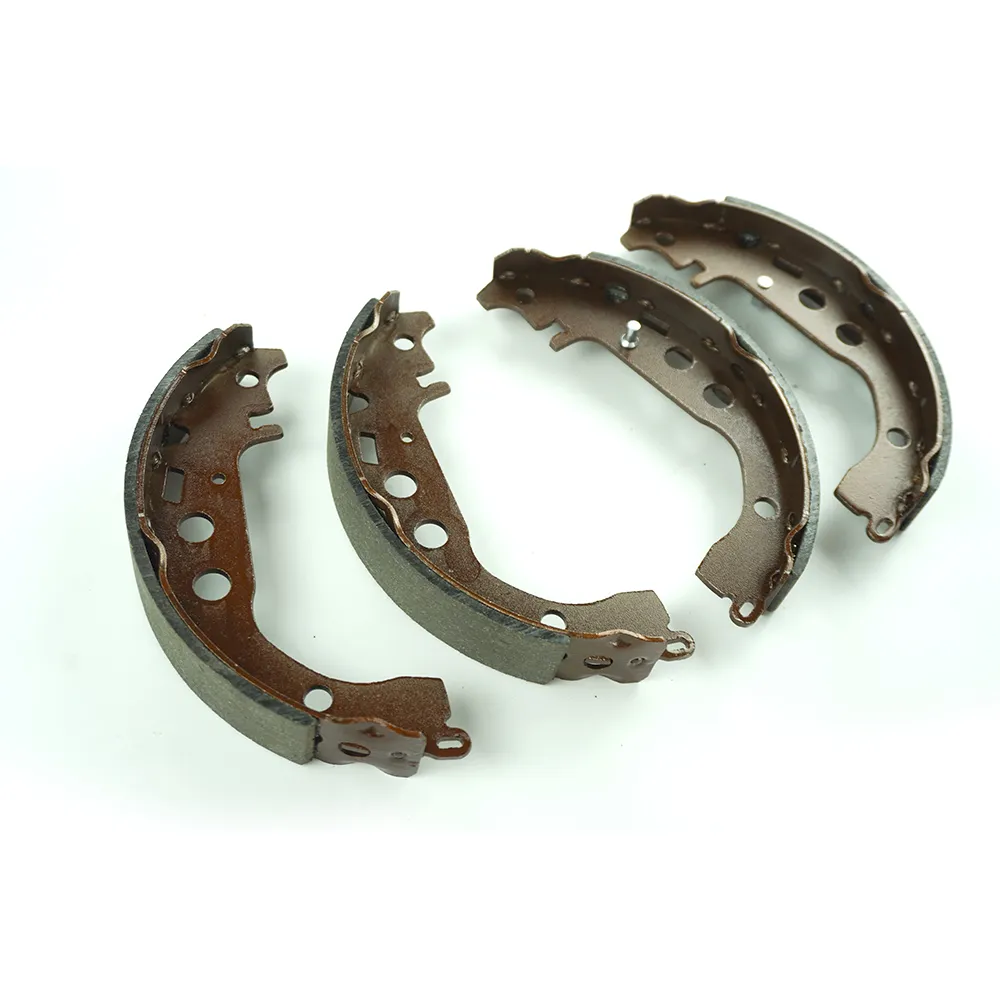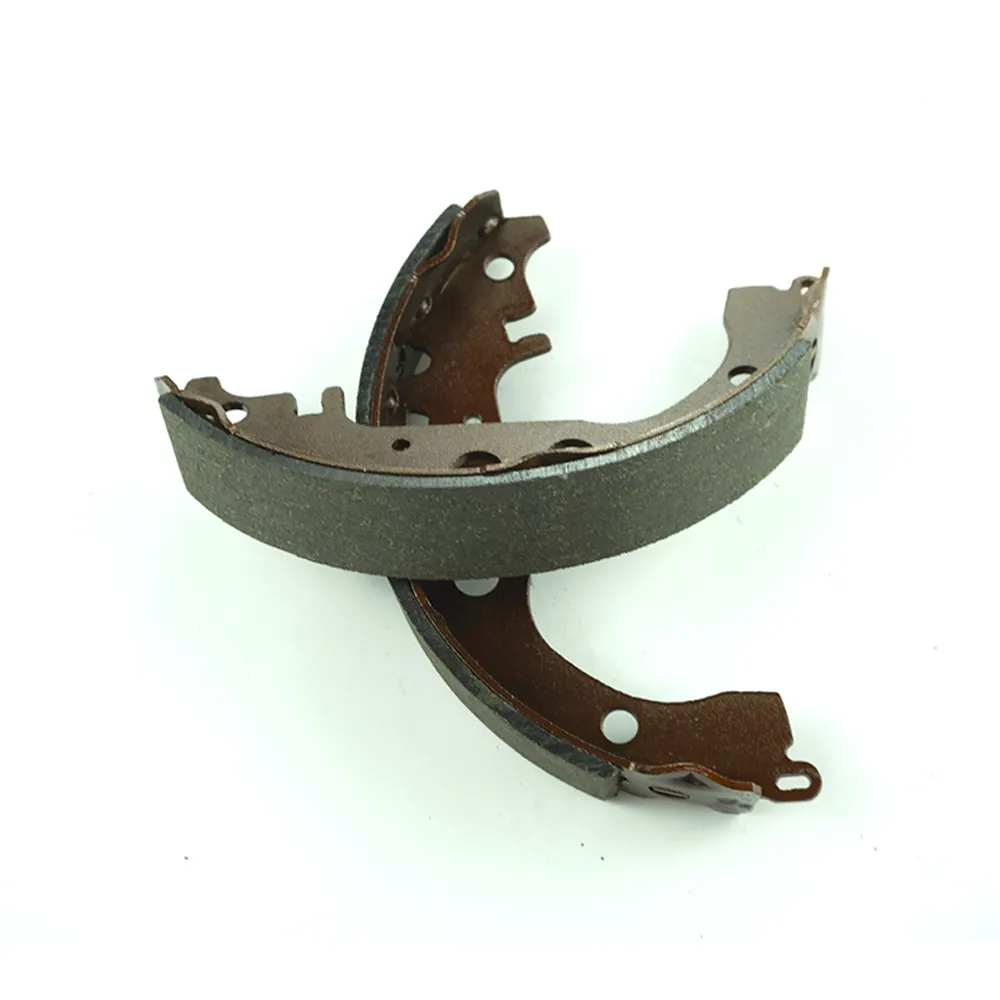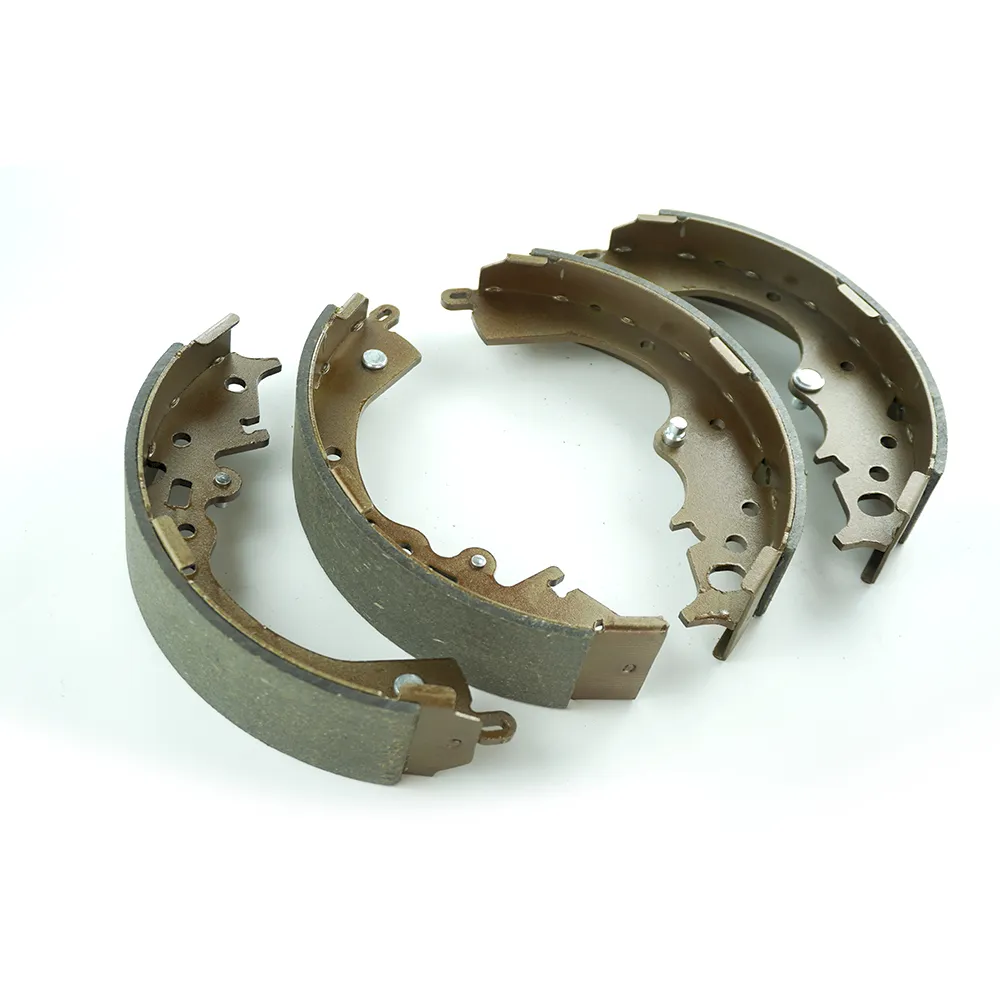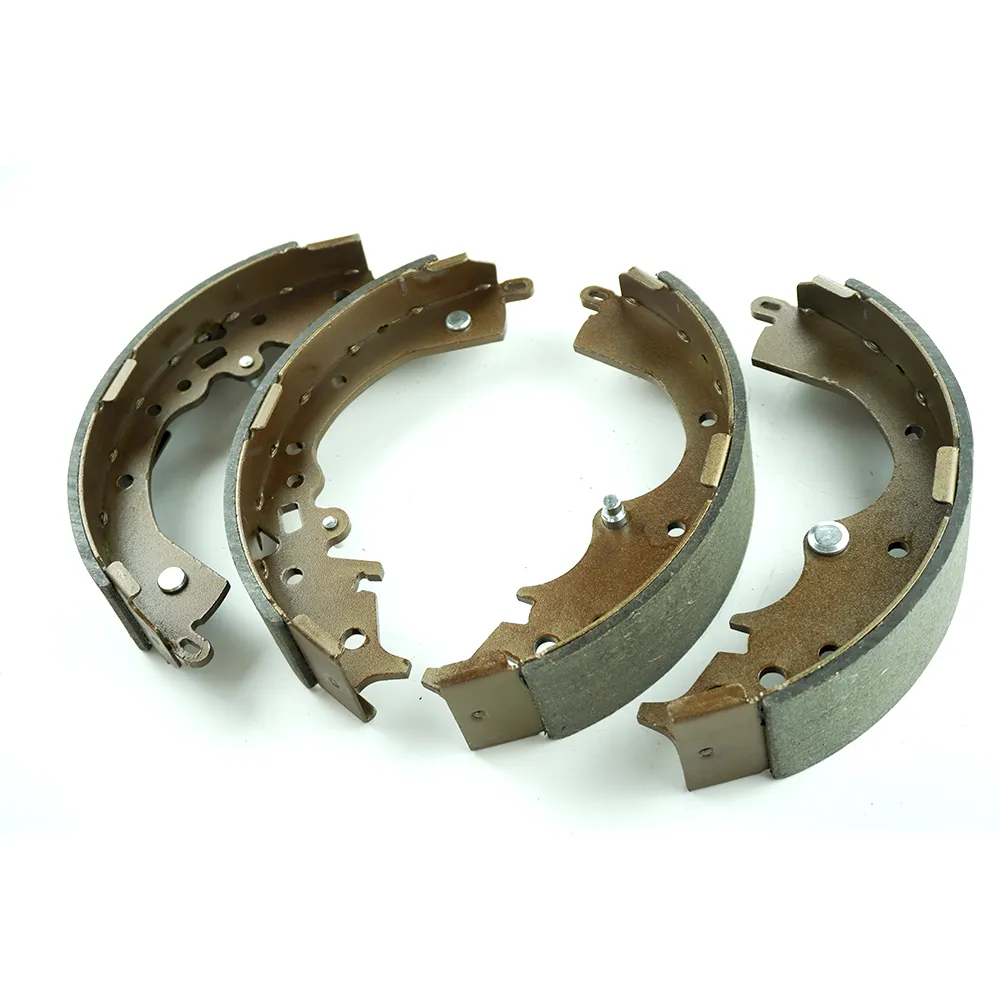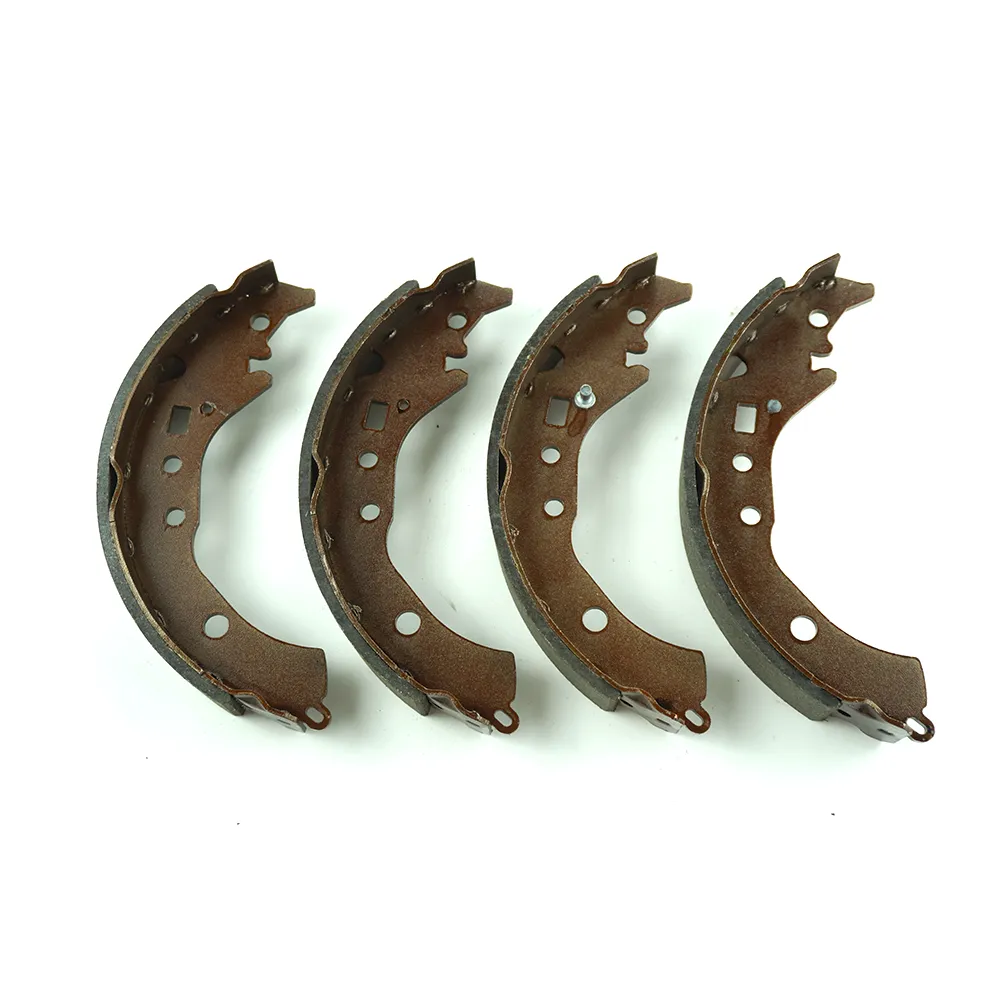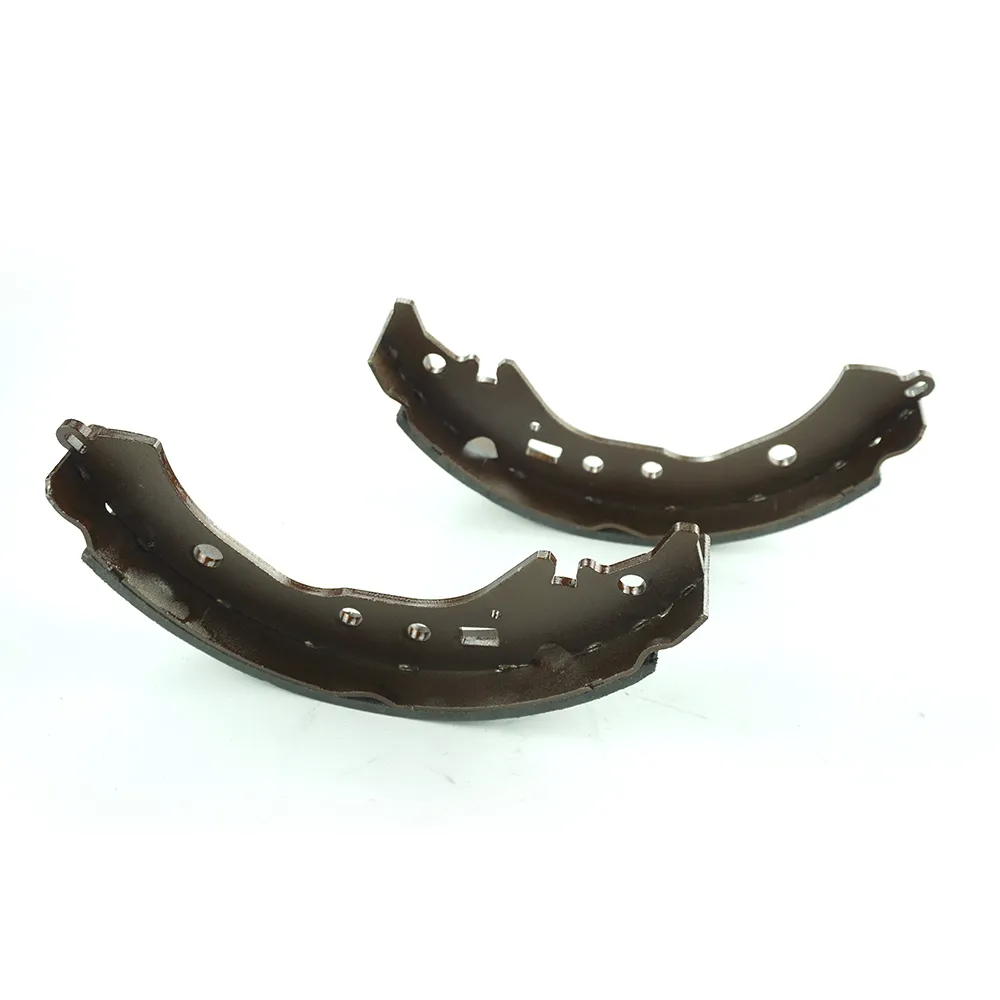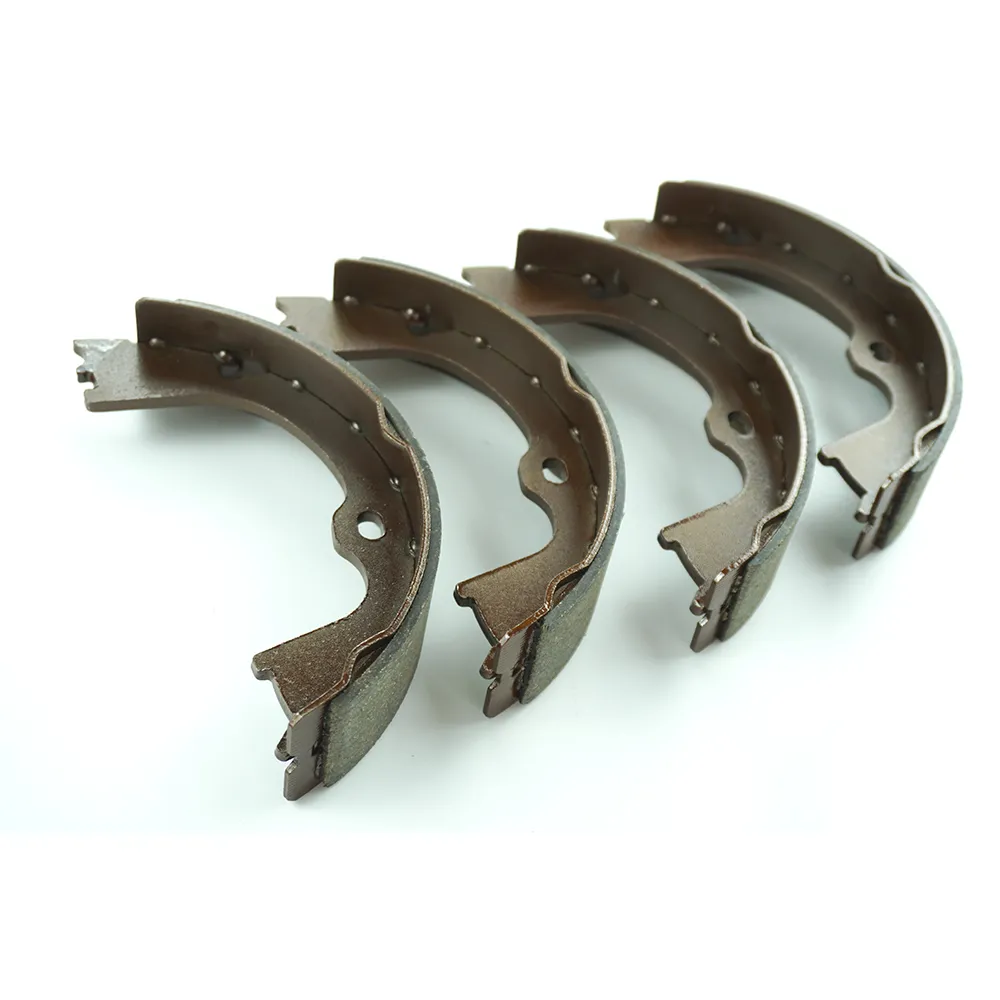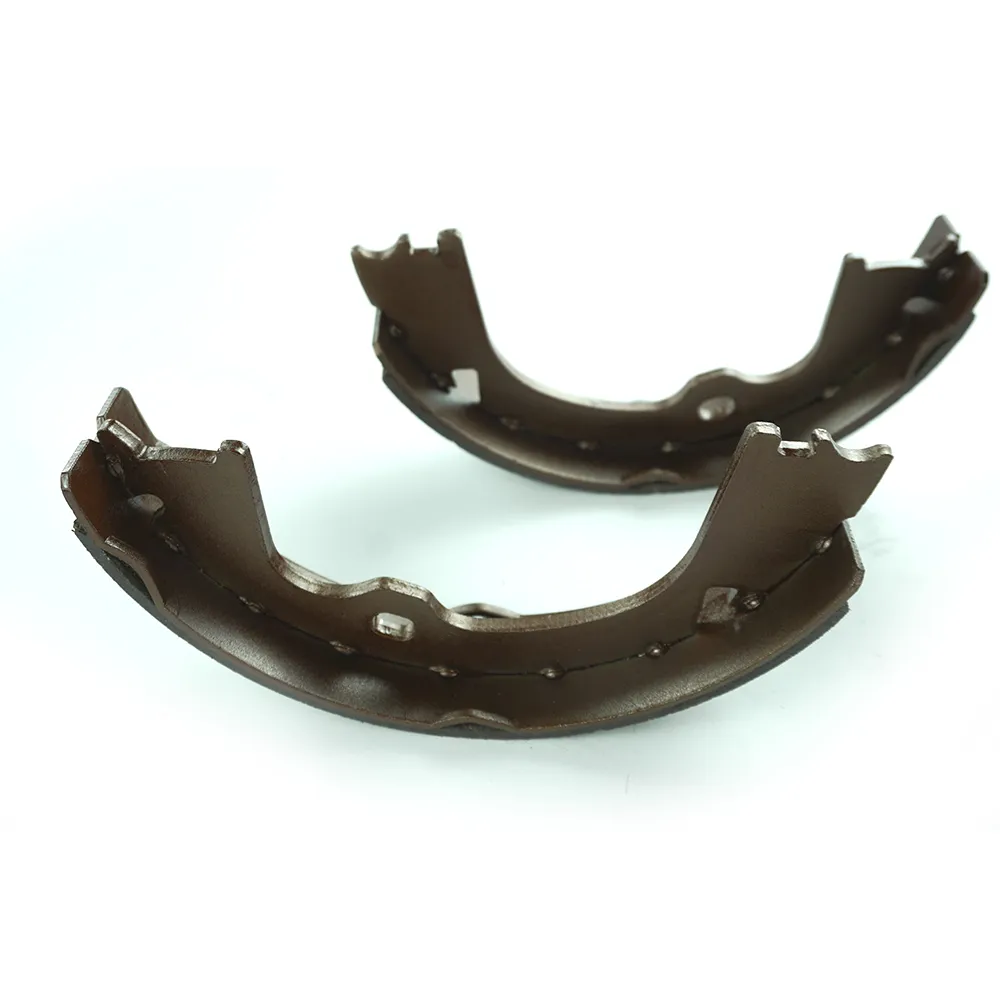
Brake Shoes
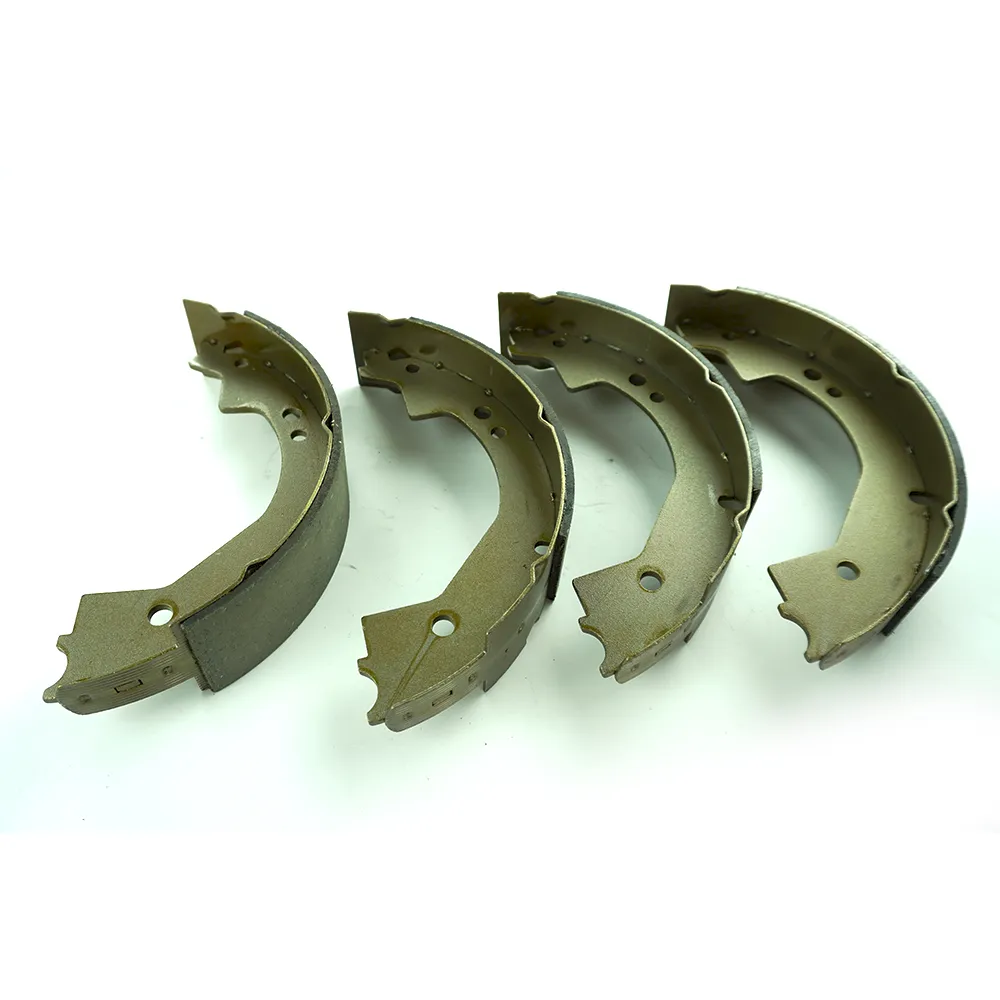
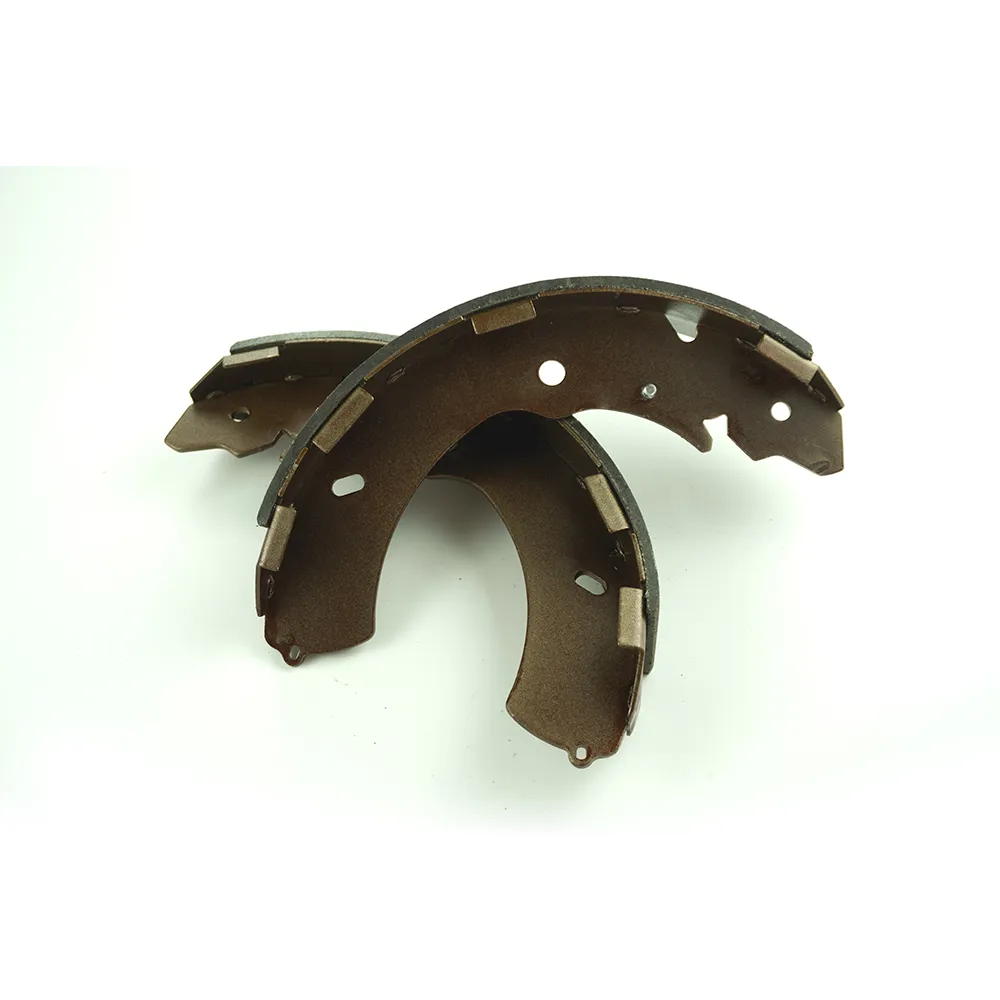
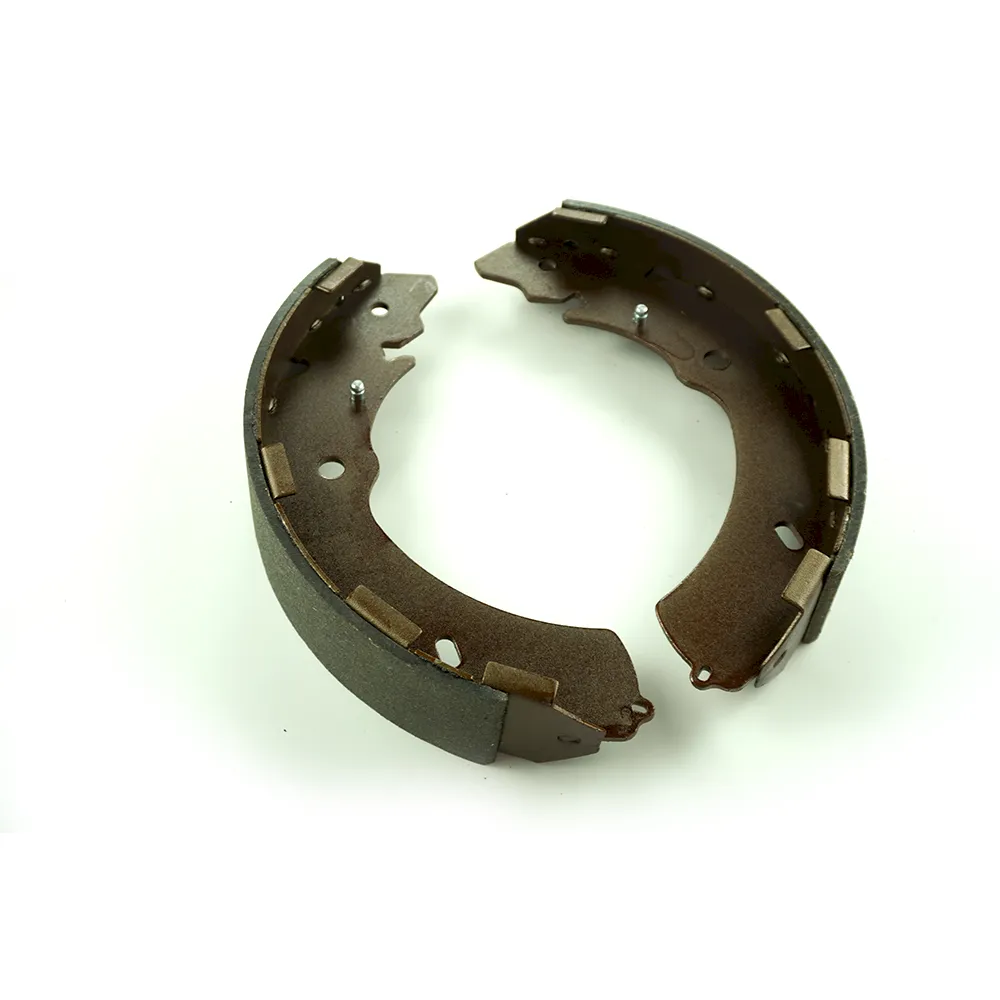
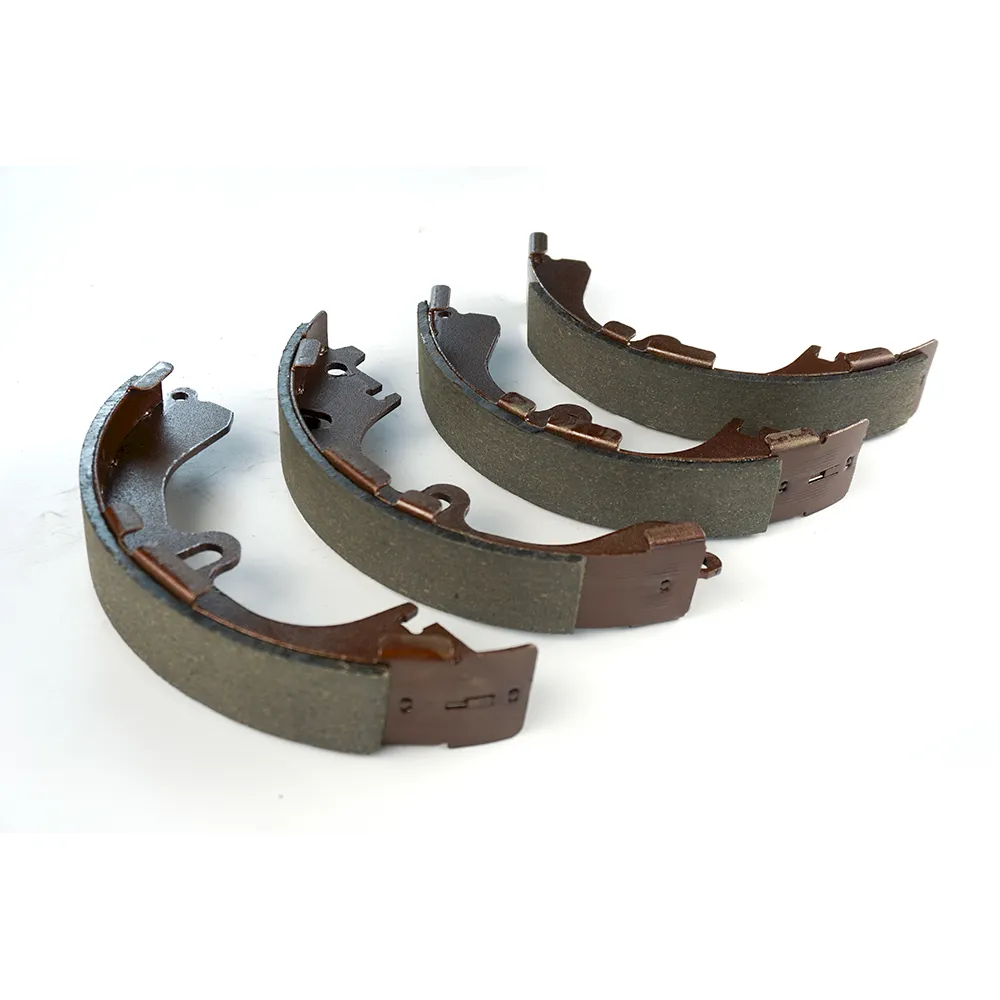
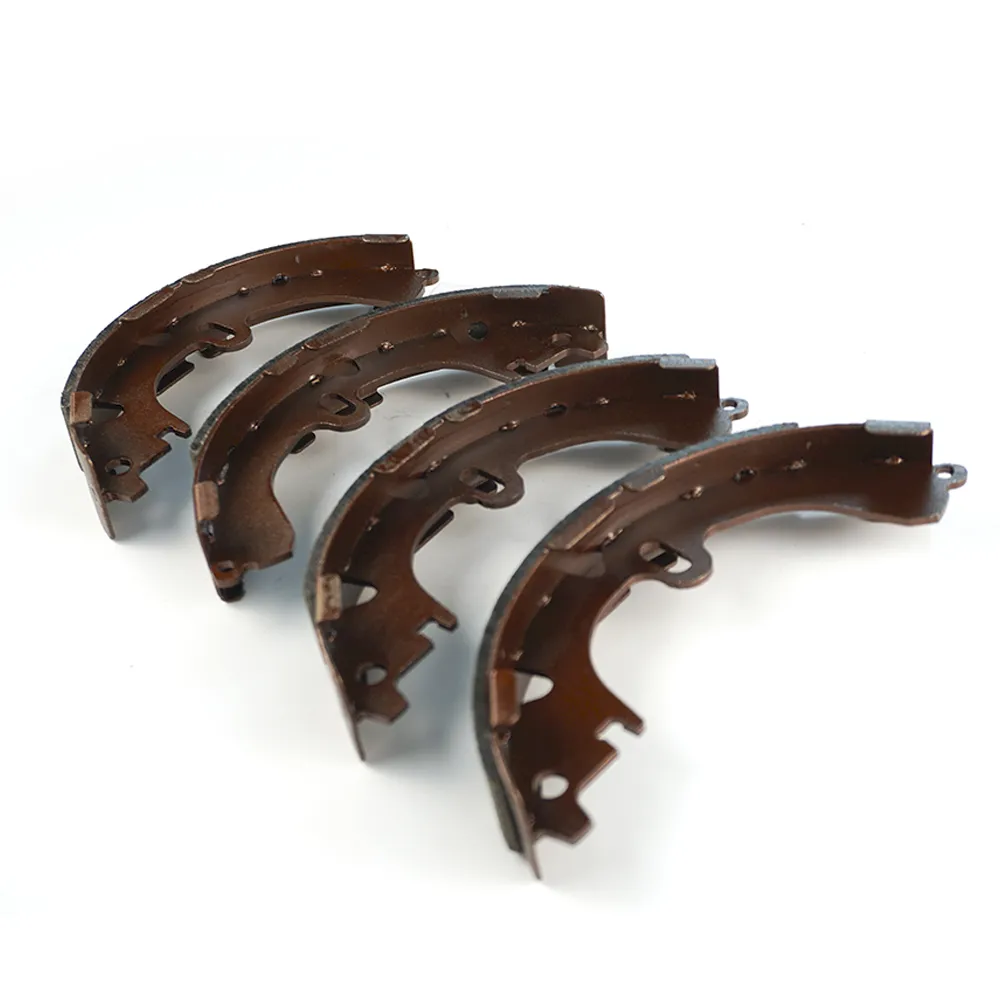
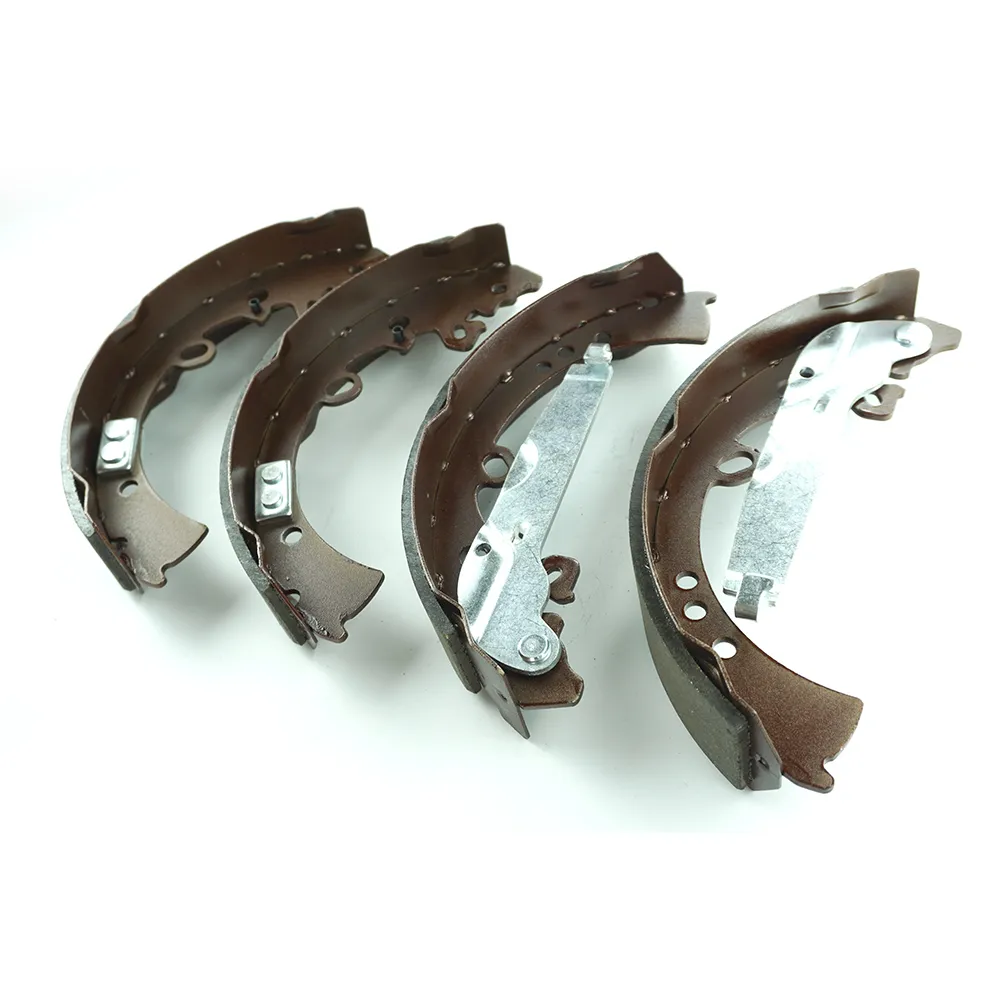
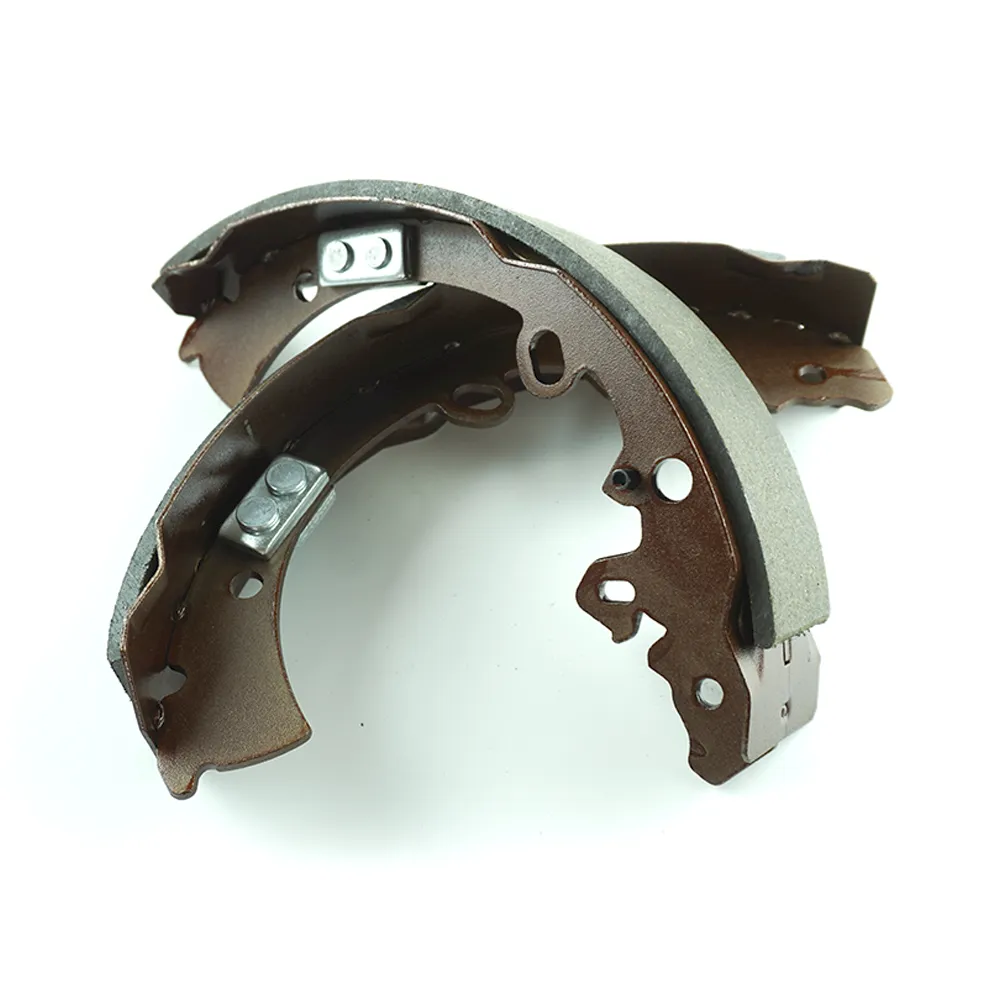
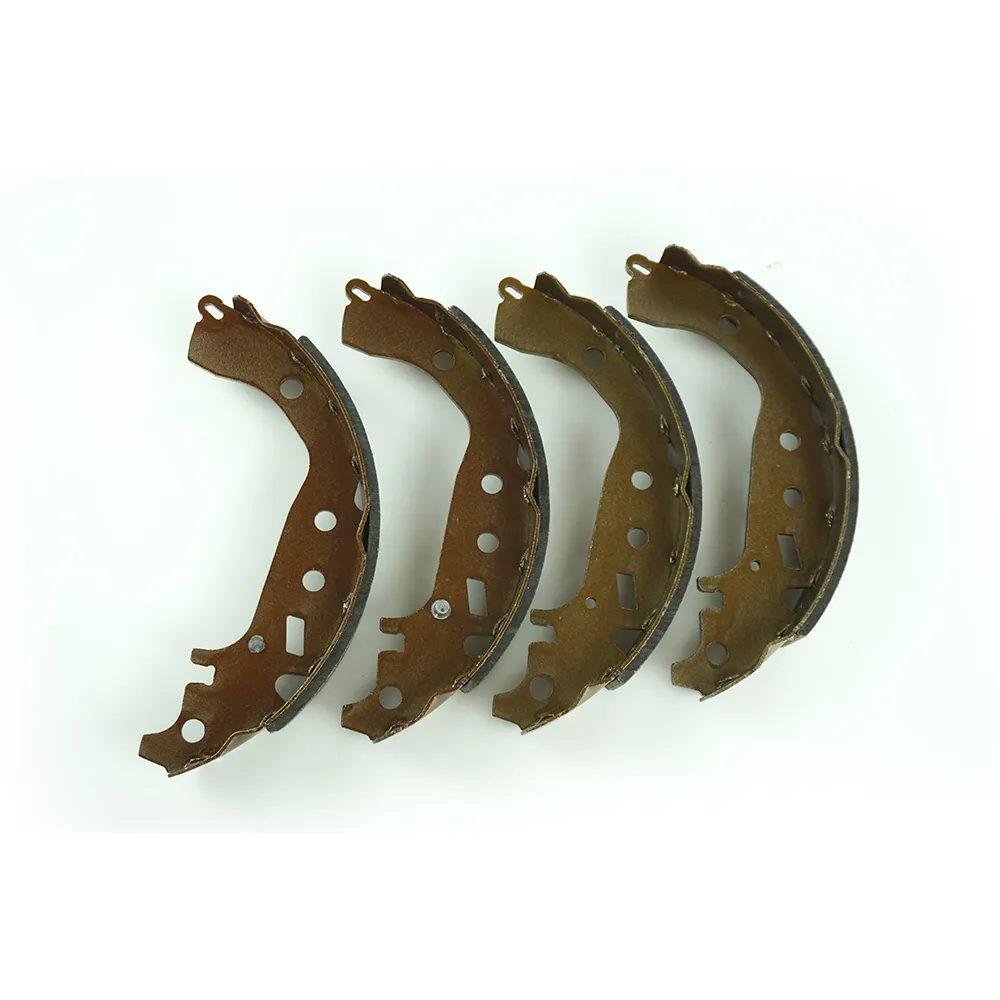
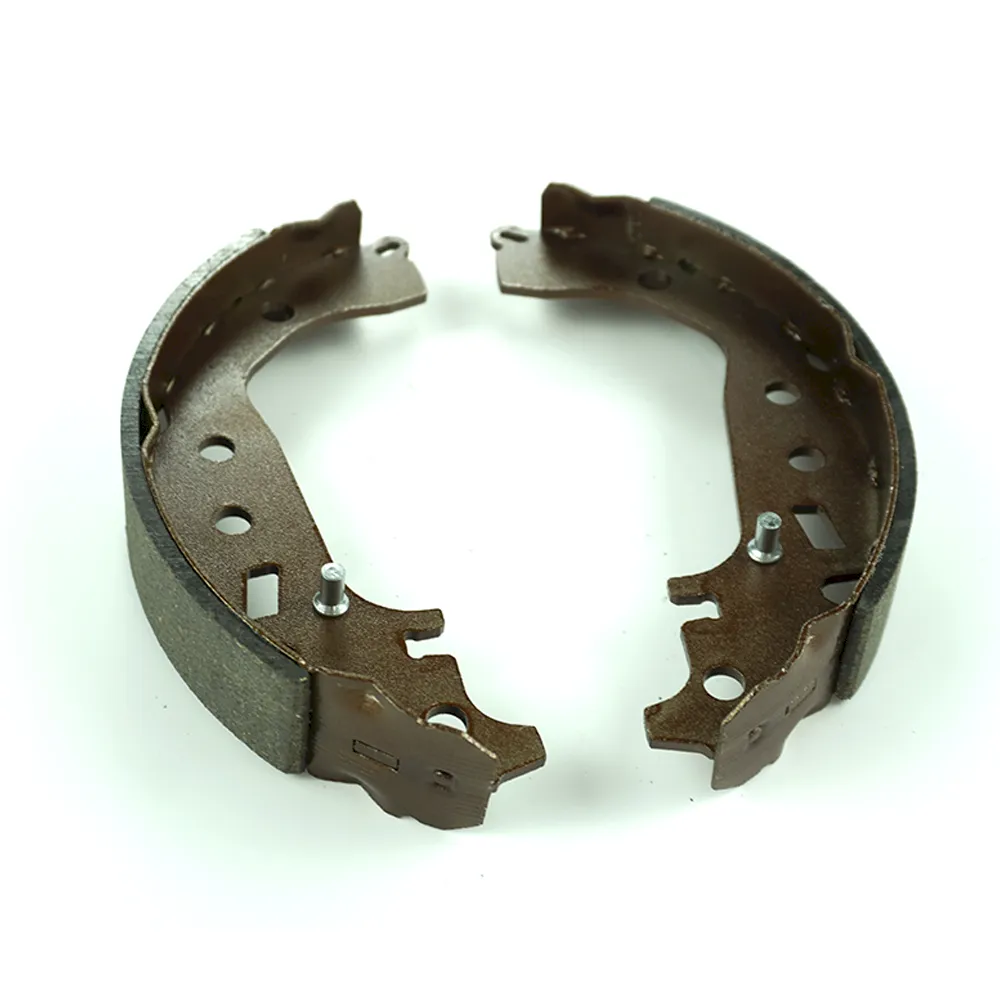
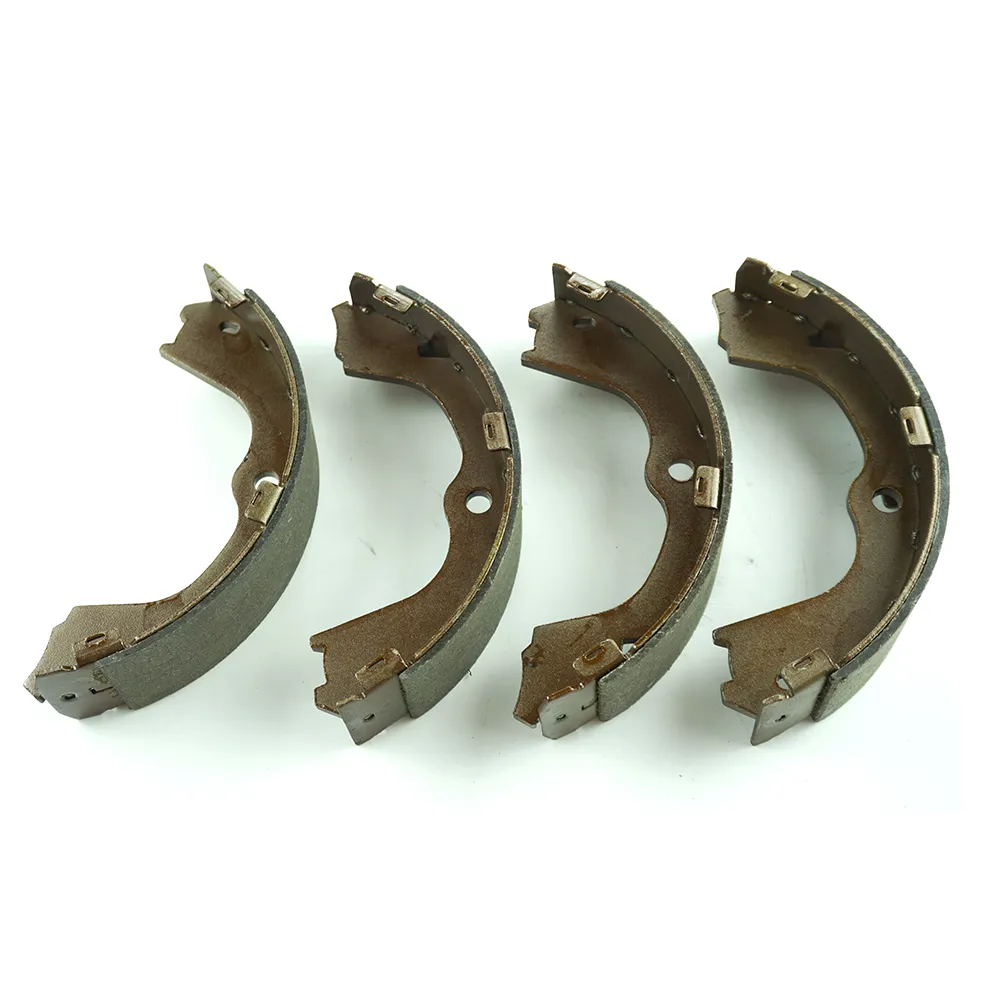
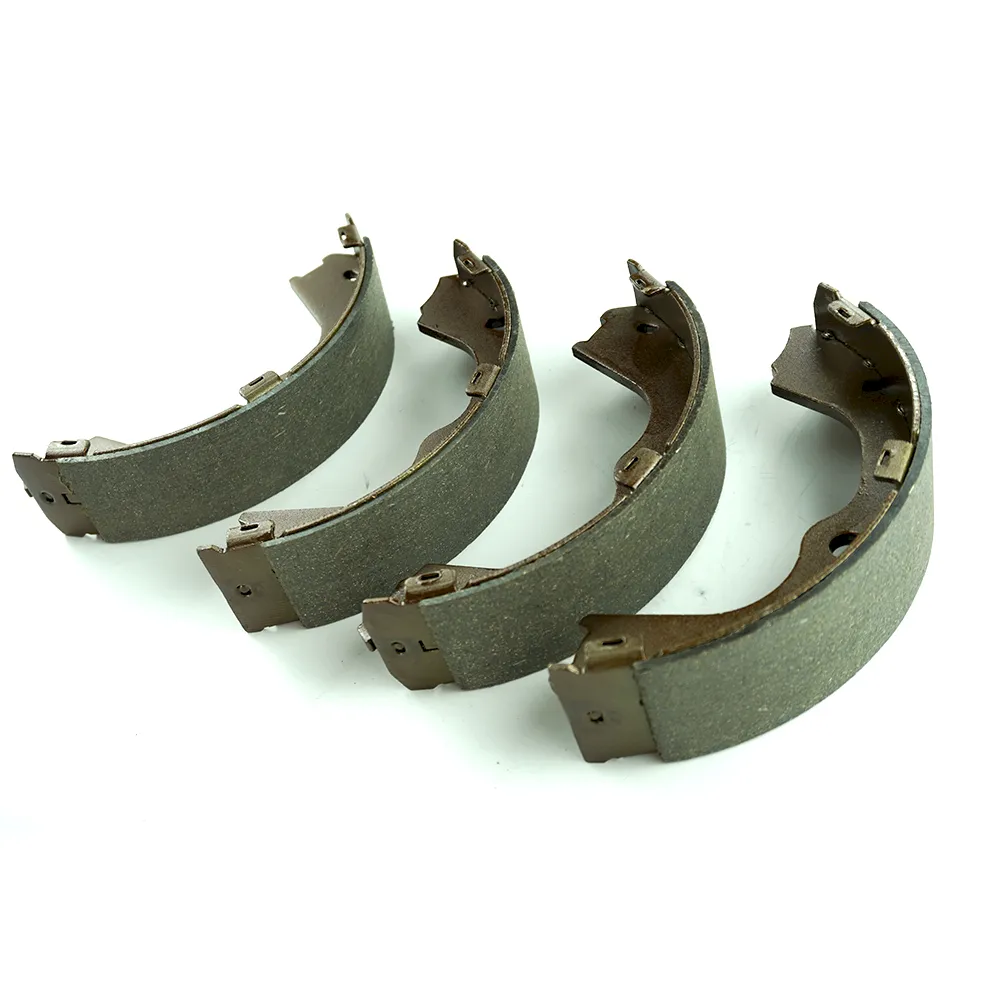
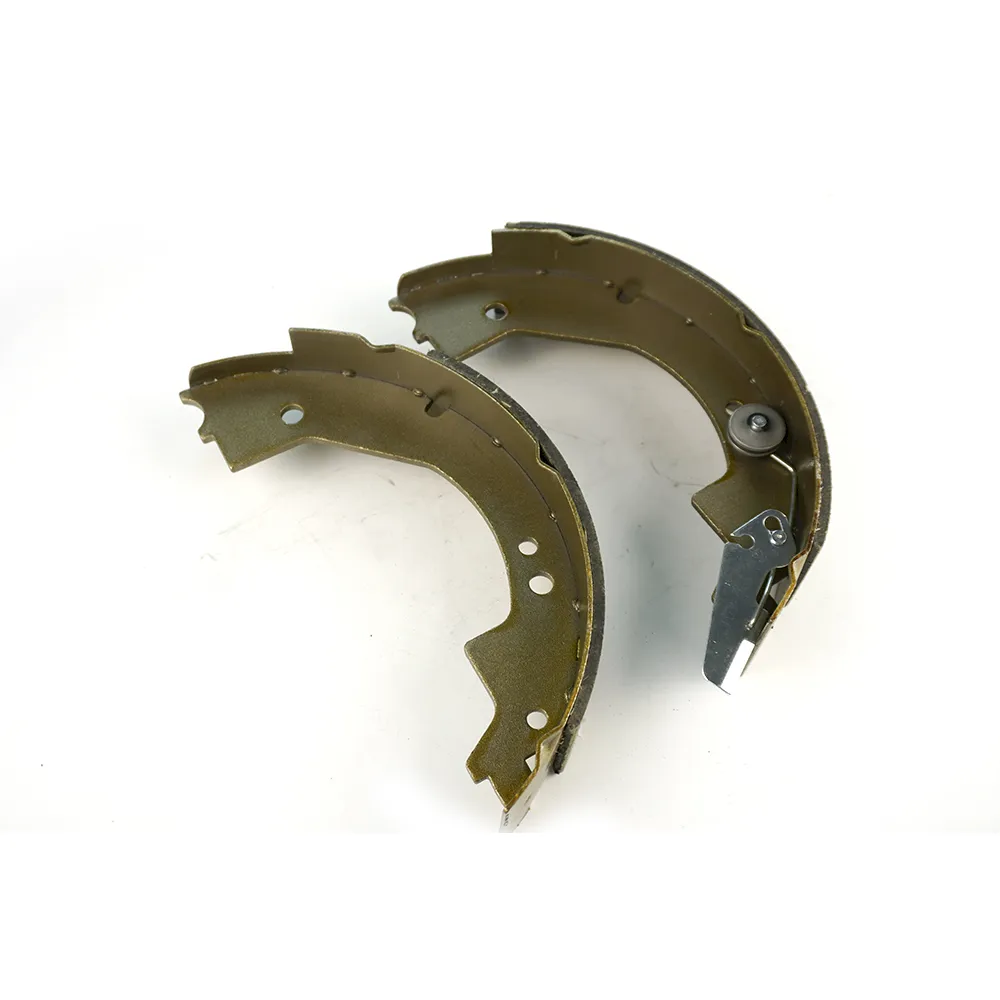
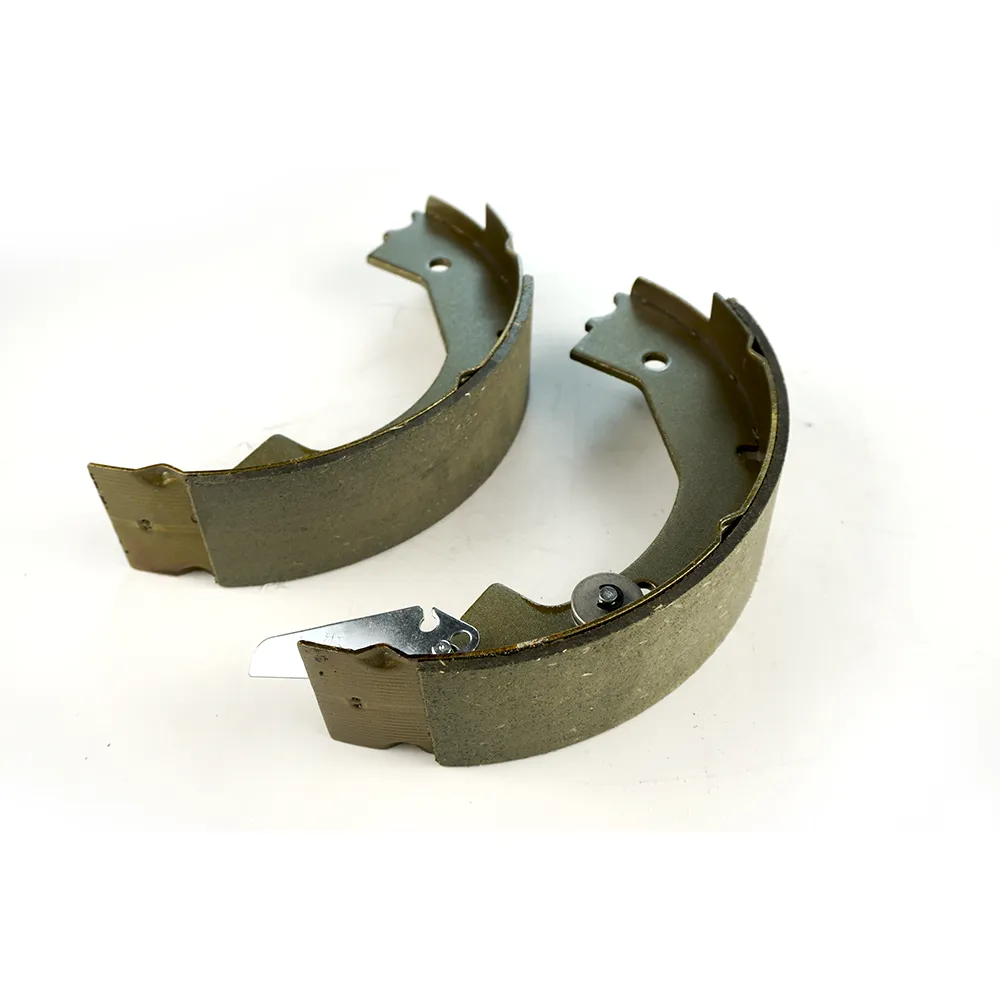
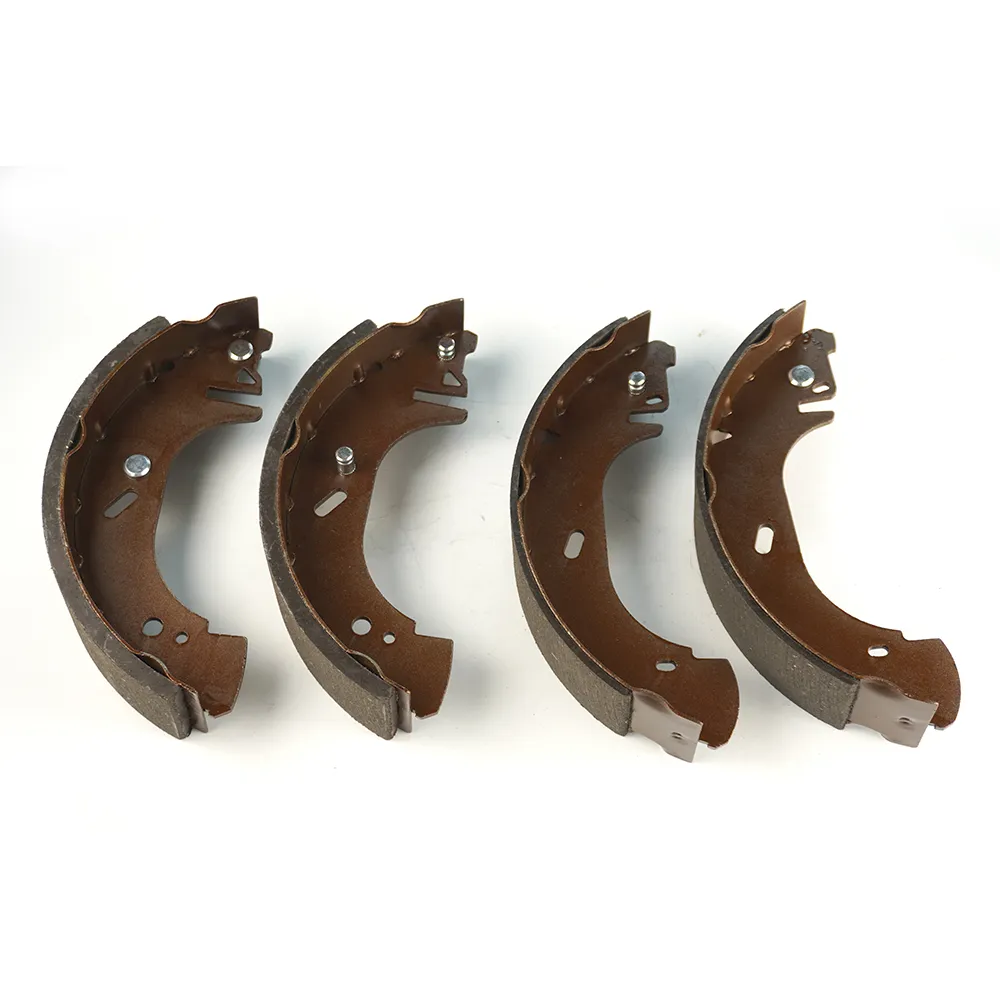
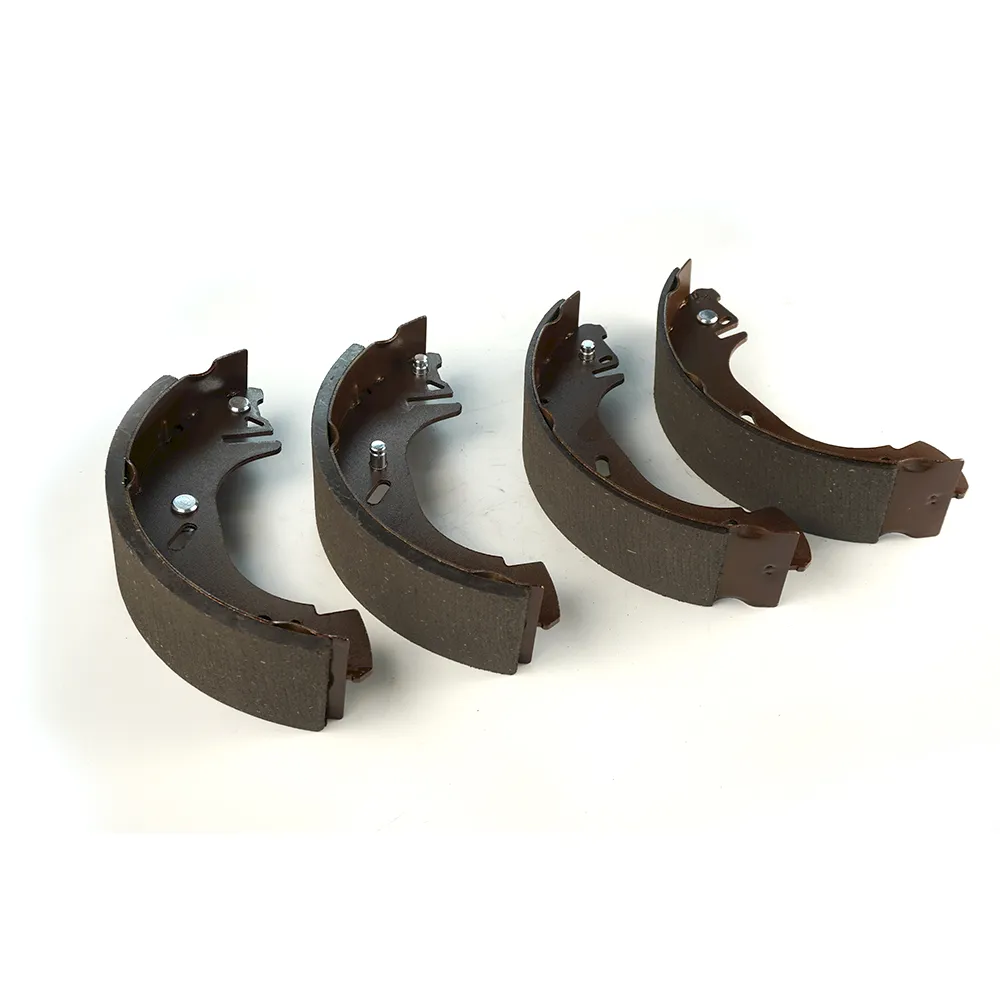
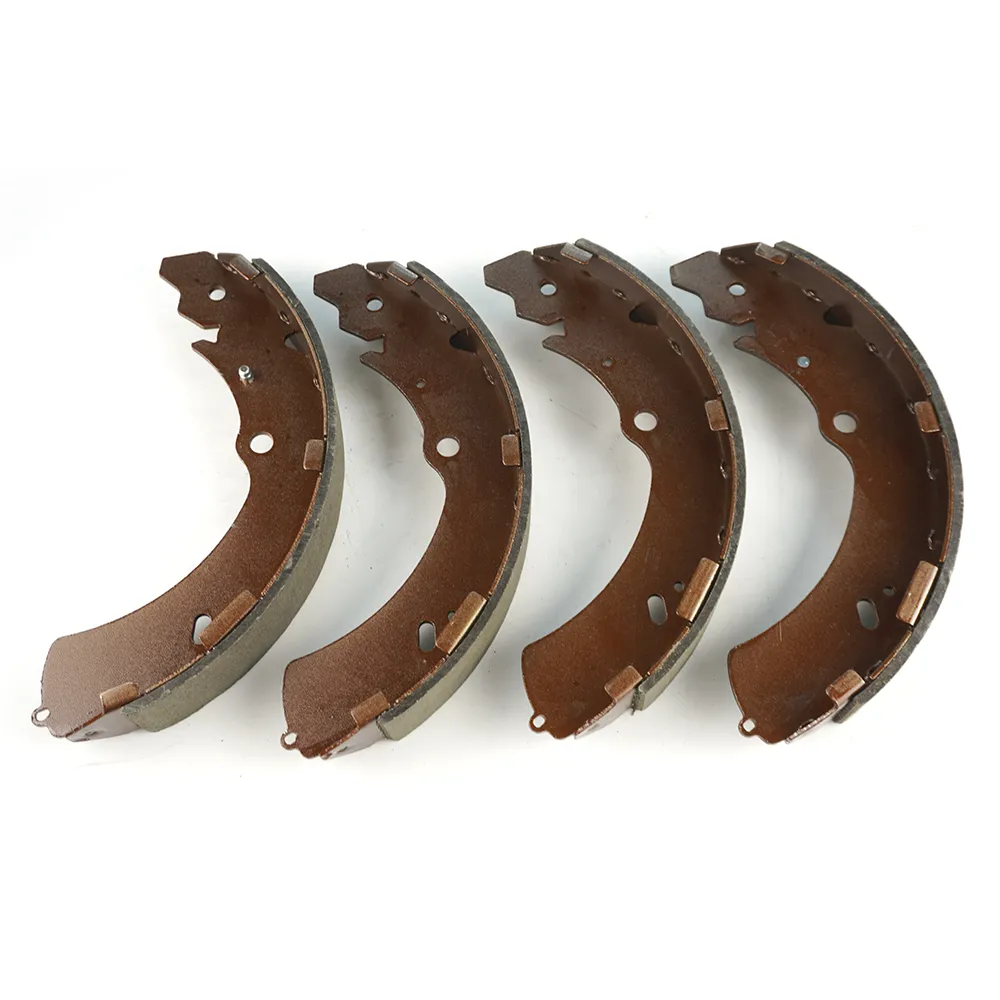
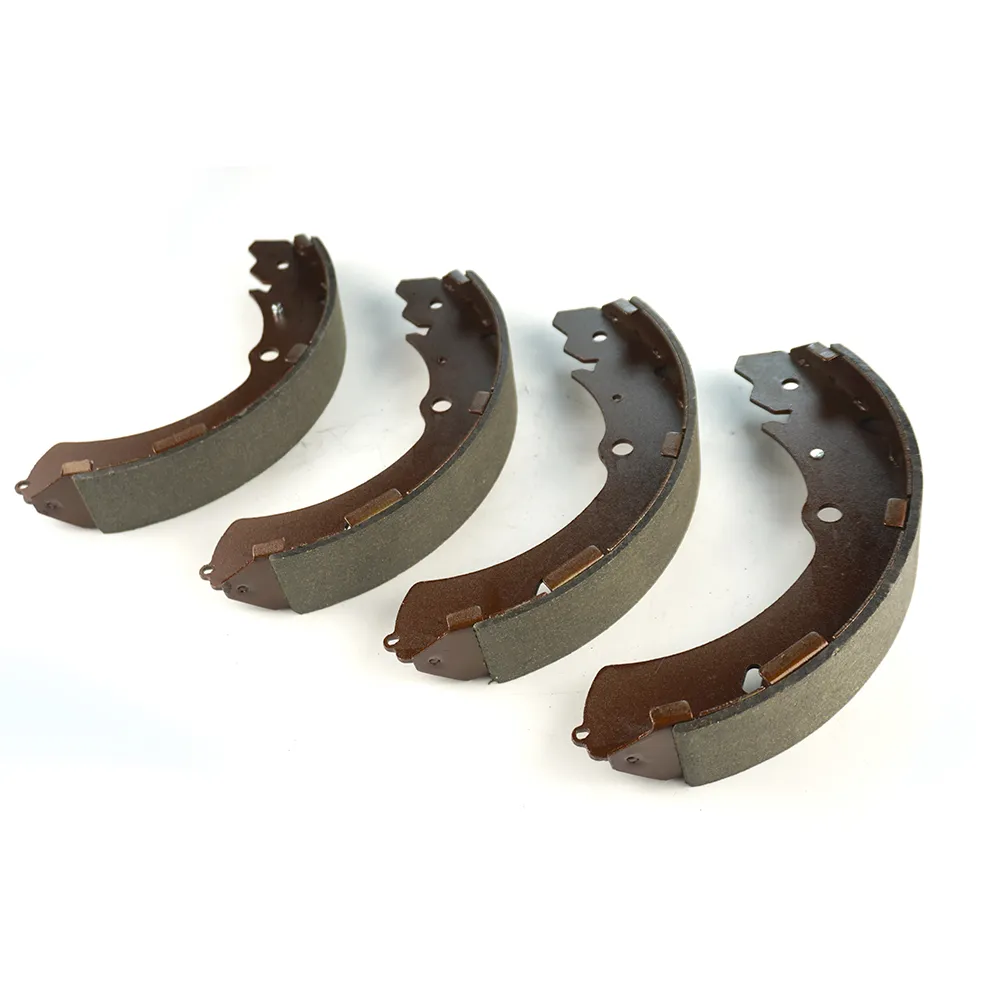
The 10RV manual-adjustable brake shoe is designed for 10-inch trailer RVs or trailers; this manual-adjustable drum electric brake kit is compatible with a 3,500-pound axle and serves as a core component of the trailer braking system. The product features an integrated stamped brake shoe paired with high-performance friction linings and incorporates a manual adjustment gear mechanism, enabling precise manual adjustment of the clearance between the brake shoe and the brake drum. It is compatible with mainstream Dexter and Lippert brake assemblies and is widely used in recreational vehicles and cargo trailers. The product has undergone high-temperature wear testing, ensuring stable braking performance and resistance to thermal fade; its simple assembly and disassembly process, combined with low maintenance requirements, meets the braking demands of long-distance off-road towing applications and ensures the safety of both driving and parking brakes on the trailer.
| Product Model | 10RV Manual Brake Shoe |
| Applicable Brake Specifications | 10 inches × 2-1/4 inches brake drum |
| Compatible Axle Load | 3,500 lbs (3.5K lbs) trailer axles |
| Adjustment Method | Manual gear adjustment (hand-adjustable, non-automatic) |
| Applicable Type | Trailer Electric Drum Brake |
| Includes Accessories | One pair of left and right brake shoes (spring assembly available as an optional accessory) |
| Friction Material | High-performance Semi-metallic Friction Plates |
| Compatible Brands | Compatible with brakes from brands such as Dexter, LCI, and AxleTek |
Installation must be performed using professional tools; prior to installation, clean the interior of the brake drum of any dust or oil contamination.
Manual adjustment standard: Adjust to ensure the shoe firmly grips the drum; back off by 6–8 clicks, and verify that the wheel rotates without any drag.
When the remaining thickness of the friction lining is less than 2 mm, the entire set must be replaced promptly.
Do not contaminate with engine oil or grease; such contaminants can directly cause brake failure.
After the vehicle has been overhauled, perform multiple low-speed warm-up runs with the brakes, followed by long-distance towing on public roads.
Regularly inspect the springs and adjustment gears for any signs of rust or jamming.
Brake shoes should be replaced in pairs; it is not recommended to replace them individually on one side.