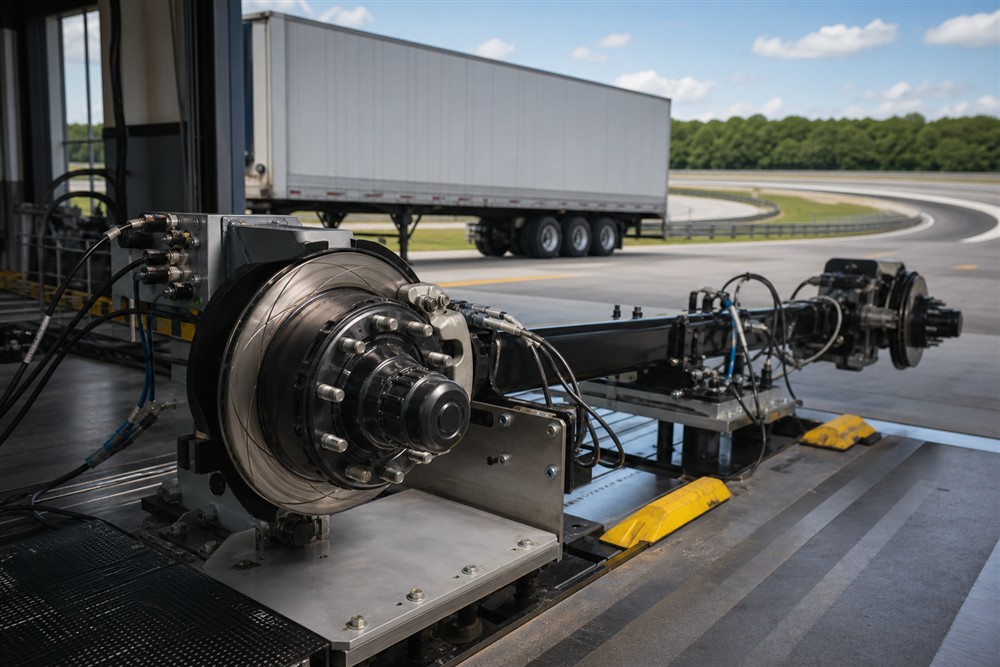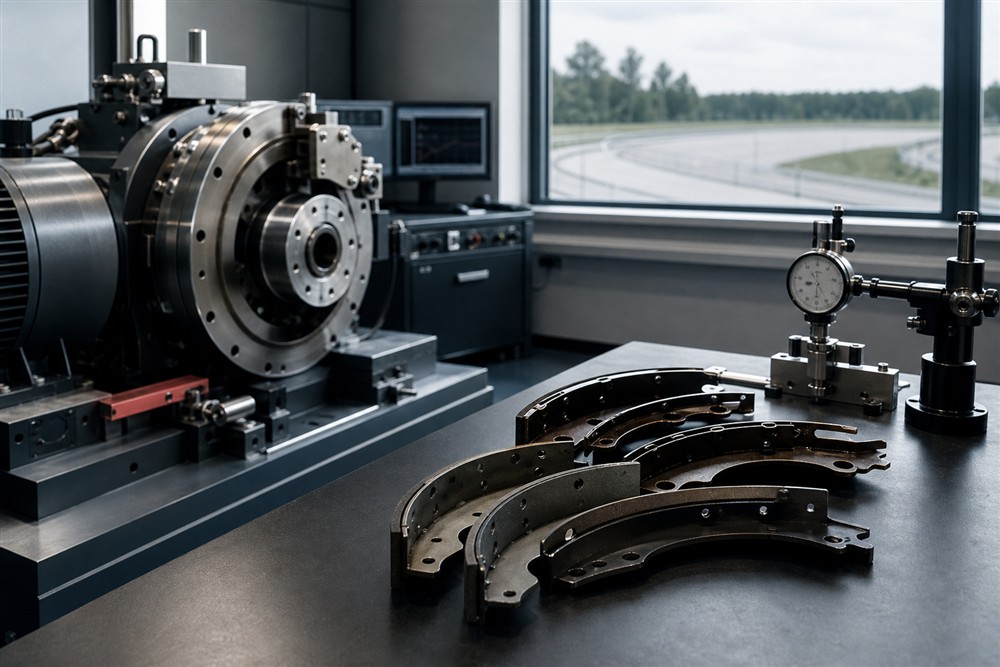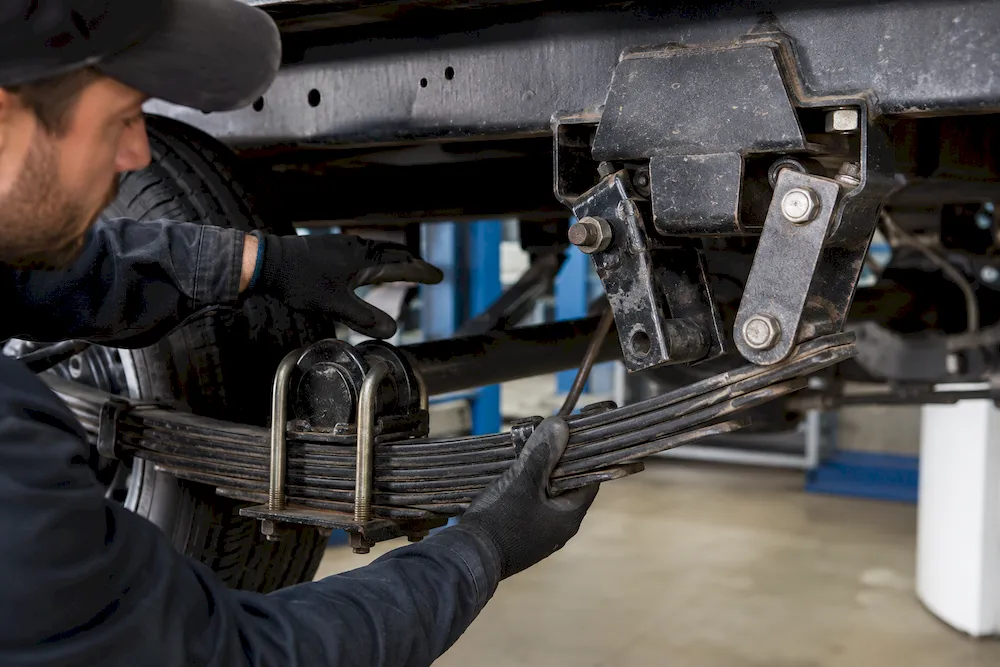
Trailer brakes should provide predictable stopping force without pulling, dragging or overheating. Changes often develop gradually, so routine inspection is essential. These symptoms mean the system should be checked before normal service.
1. Stopping distance increased
Weak braking may result from incorrect adjustment, worn or contaminated lining, low controller output, electrical resistance, hydraulic leakage or an undersized system. Inspect the complete system first.
2. The trailer pulls to one side
Pulling indicates unequal force. Causes include an inoperative magnet or cylinder, unequal adjustment, contaminated lining, damaged wiring or a seized mechanism. Compare both sides.
3. Braking is noisy
Grinding can indicate worn lining or metal contact. Squeal or chatter may relate to glazing, contamination, loose hardware, drum condition or friction compatibility.
4. A drum runs unusually hot
Heat can result from dragging shoes, over-adjustment, weak springs, a seized cylinder, continuous magnet application or bearing trouble. Stop and inspect to prevent further damage.
5. Electric response is inconsistent
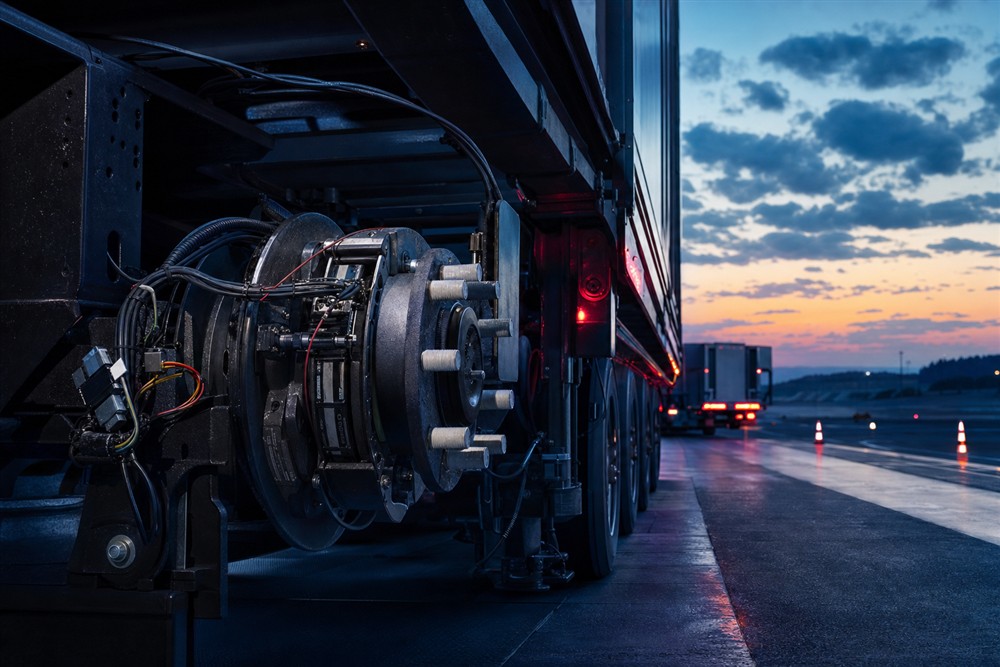
Corroded connectors, poor grounds, damaged wiring, controller settings or magnet failure can cause intermittent operation. Measure voltage and current under load.
6. Hydraulic fluid is leaking
Fluid at the backing plate or inside the drum may indicate cylinder or line failure. Repair the leak and replace contaminated friction parts.
7. Shoe wear is uneven
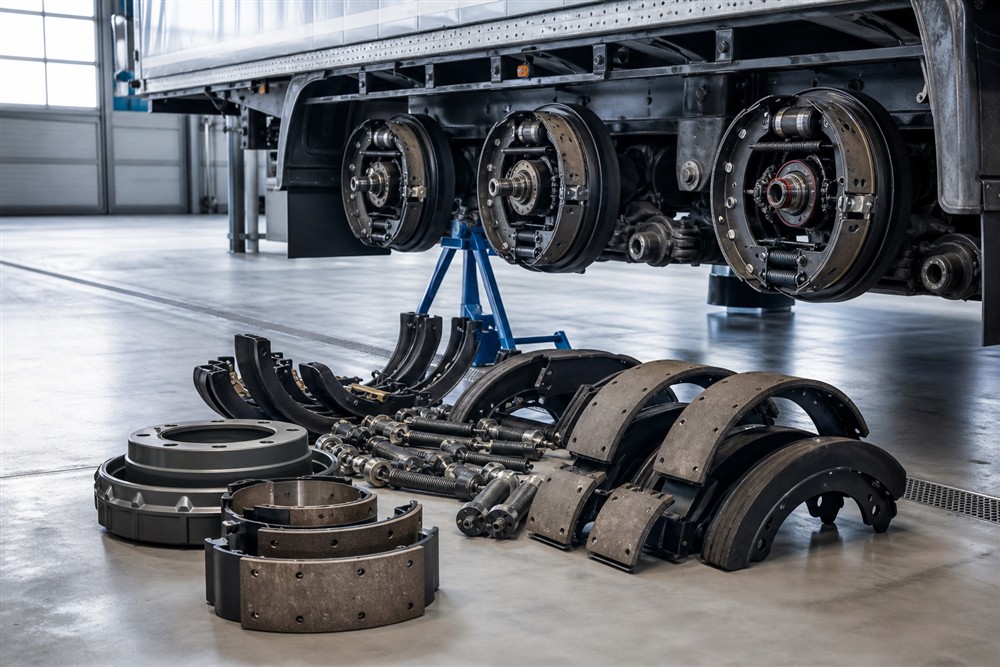
Tapered or different wear can indicate wrong orientation, poor adjustment, damaged hardware, an out-of-round drum or unequal actuation.
8. Lining is cracked, loose or contaminated
Replace shoes when material is below its limit, cracked, oil-soaked, heat-damaged or separating. Bond integrity and shear strength are safety-critical.
9. The drum is damaged or oversized
Deep grooves reduce contact and damage new shoes. Heat cracks or diameter beyond the service limit may require replacement.
10. Adjuster or return hardware is damaged
Seized adjusters prevent correct clearance; weak springs cause drag or slow release. Self-adjusting brakes require correct lever orientation.
Inspection checklist
- confirm axle rating and brake specification;
- inspect both sides of every braked axle;
- measure lining and drum condition;
- check springs, adjusters and levers;
- test magnets and wiring or cylinders and lines;
- inspect seals when grease is present;
- verify orientation and adjustment;
- perform a low-speed test after service.
When to replace the complete assembly
A complete assembly may be preferable when several parts are worn, the plate is heavily corroded or rebuilding is inefficient. Replacement must match the drum, flange, axle rating and actuation system.
Safety note
Qualified personnel should follow manufacturer procedures. Chiheng Brake can assist B2B buyers with brake-shoe and trailer-brake identification, drawings and OEM/ODM requirements.