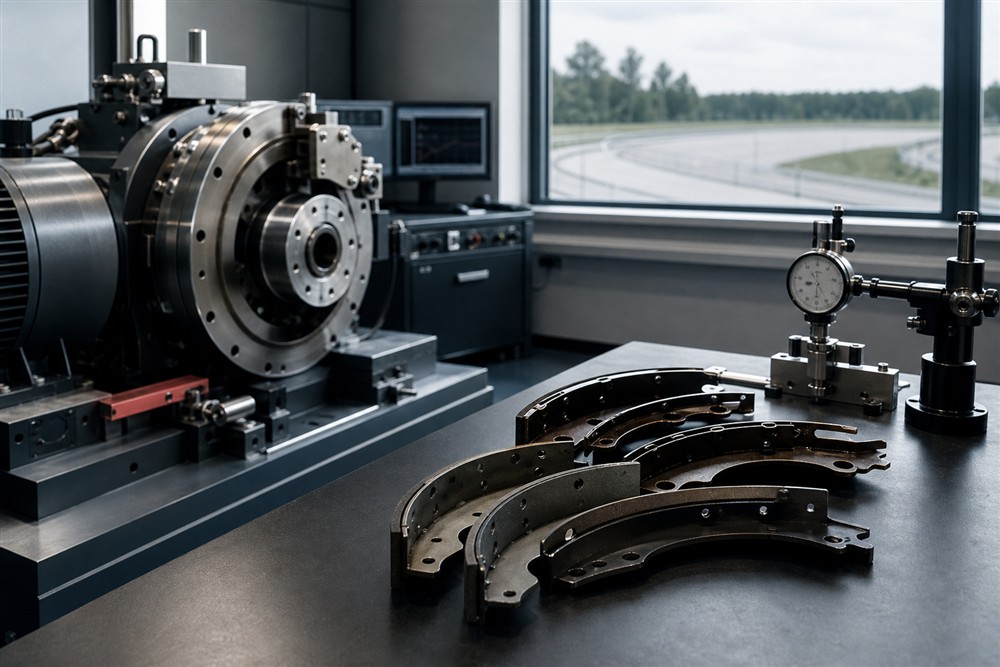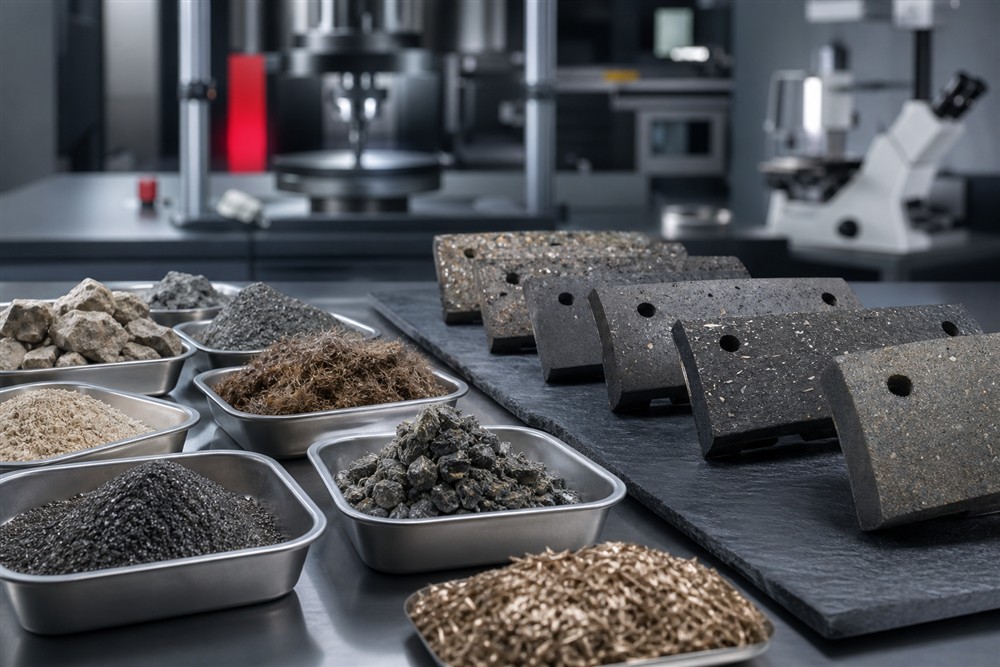
A brake lining is a carefully balanced composite rather than a single material. Its formulation must deliver predictable friction, acceptable wear, mechanical strength and stable behavior across temperature and humidity changes.
What a formulation contains
Binders hold the composite together. Reinforcing fibers improve strength. Friction modifiers tune the coefficient of friction, while fillers influence heat transfer, wear, compressibility and manufacturing behavior. Changing one ingredient can affect several properties at once.
Why temperature stability matters
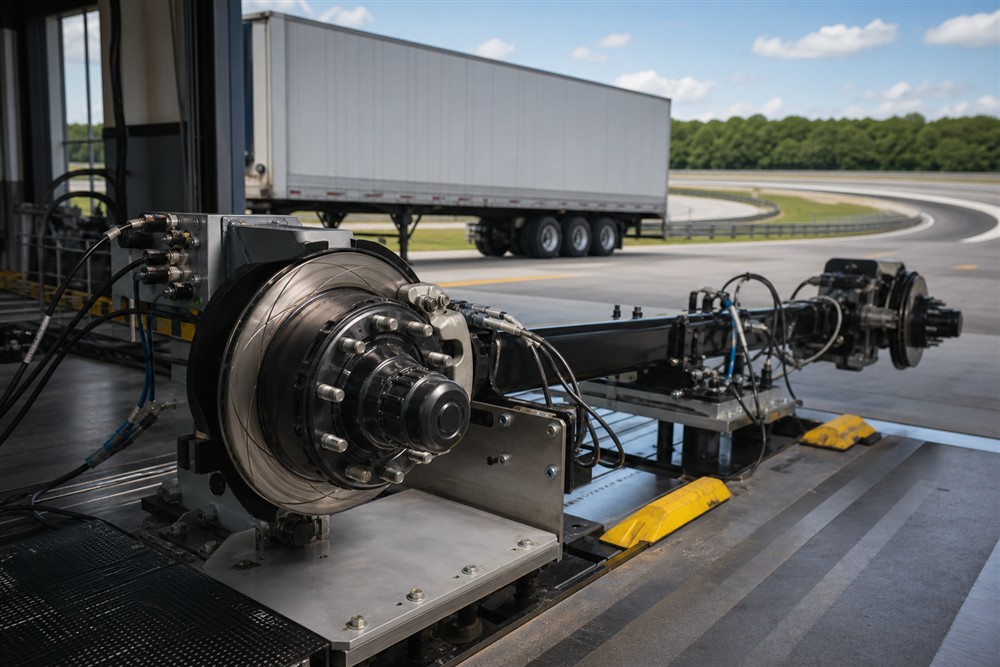
Friction performance should remain controlled from cold starts to repeated high-energy stops. A material that performs well only at room temperature may fade under heat or recover inconsistently after cooling. Testing therefore needs controlled temperature cycles, not one headline coefficient.
Noise and wear are system outcomes
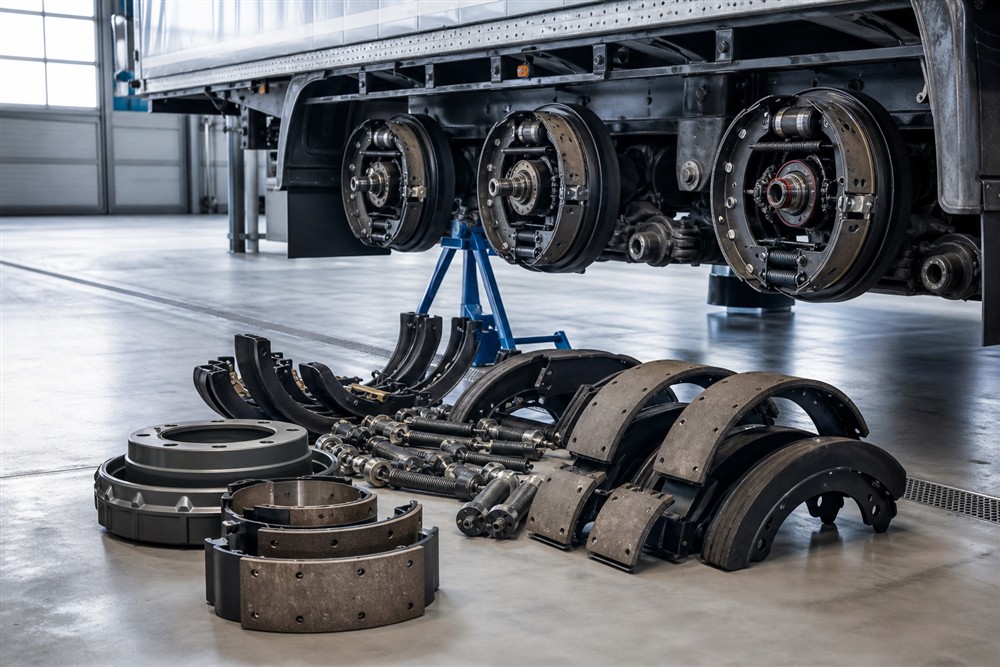
Noise can come from material stiffness, surface finish, drum condition, shoe geometry and installation. Wear depends on pressure, temperature, counterface material and duty cycle. Formulation work should be paired with system-level testing.
Validation for an OEM program
- Define the target friction curve and temperature window.
- Measure wear, fade, recovery and shear strength.
- Evaluate restricted substances for the destination market.
- Run pilot batches to confirm production consistency.
- Retain traceable samples and process records.
Chiheng Brake develops friction solutions around the customer application, manufacturing process and target-market requirements.